Cover Crops for Raised Beds: Improve Soil Health in Small Gardens
Discover the best cover crops for raised beds, including clover, buckwheat, and ryegrass. Improve soil health, aeration, weed suppression, and sustainability in small-space gardens.
2/24/20264 min read
Building healthy soil in raised beds makes a noticeable difference when it comes time to plant again, especially for seed starting and early spring crops. For a long time, I focused mostly on what I could harvest from my raised beds. Tomatoes. Herbs. Peppers. Greens. Anything I could grow in my small space felt like a win. But as I’ve learned more about sustainable gardening and long-term soil health, I’ve started thinking differently. Instead of just asking, “What can I grow here next?” I’ve started asking, “How can I give back to this soil?”
That’s what led me to seriously consider cover crops — and why I’m planning to integrate them into my raised beds this season.
If you garden in a small space like I do, cover crops might be one of the most underrated tools for building healthier, more resilient soil.
What Is a Cover Crop?
A cover crop is a plant grown primarily to improve soil rather than to harvest. Instead of leaving your raised beds bare between seasons, you intentionally plant something that:
Protects the soil
Feeds the soil
Improves structure
Suppresses weeds
Supports pollinators
It’s like giving your raised bed a living reset instead of letting it sit exposed and depleted!
Why Cover Crops Make Sense in Small Raised Beds
In raised beds, soil health matters even more than in-ground gardening. You’re working with a limited volume of soil. Every season of planting pulls nutrients from that contained space. Cover crops help address that by:
Supporting Soil Fertility
Legumes like clover can fix nitrogen from the air and return it to the soil — naturally improving nutrient levels without synthetic fertilizers.
Improving Soil Aeration
Some cover crops develop root systems that help loosen compacted soil, allowing better drainage and root penetration for your next crop.
Preventing Weeds
Bare soil is an open invitation for weeds. A dense cover crop shades the soil surface and reduces weed pressure.
Protecting Against Nutrient Loss
Even in raised beds, watering and heavy rains can wash nutrients away. Cover crops anchor and protect the soil surface.
Supporting Pollinators
Flowering cover crops like clover, hairy vetch, and buckwheat provide nectar for bees — especially valuable in urban and suburban areas. The more I’ve researched soil health, the more I’ve realized how much sense this makes for small-space gardeners.
Cover Crops I’m Considering for My Raised Beds
As I plan this transition, these are the varieties that stand out for small raised bed gardens.
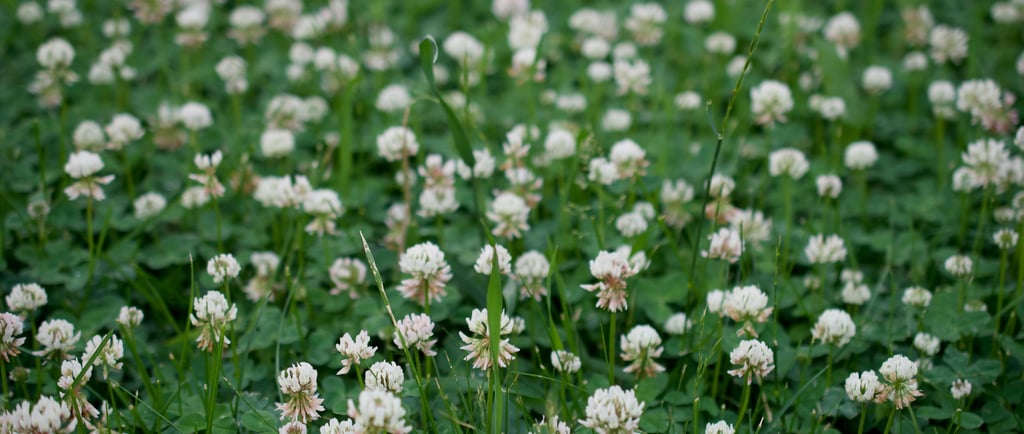
White Clover
A low-growing, manageable option for small beds.
Why it appeals to me:
Nitrogen-fixing
Doesn’t grow overly tall
Pollinator friendly
Can be cut and left as mulch
This feels like one of the most practical starting points for raised beds.
Crimson Clover
Slightly taller and more visually striking.
Benefits:
Strong nitrogen fixer
Great pollinator support
Adds organic matter quickly
This seems ideal for beds resting through fall and early spring.
Hairy Vetch
If your soil needs a serious nitrogen boost after a heavy growing season, hairy vetch is worth considering.
Benefits:
Excellent nitrogen fixer
Adds significant organic matter
Strong soil-building root system
Great winter cover option
Hairy vetch is especially valuable after growing heavy feeders like tomatoes, peppers, or squash, when the soil needs a deeper seasonal reset. It’s known for producing abundant biomass, which translates to rich organic matter when cut and left in place.
Buckwheat
One of the fastest-growing cover crops available.
Benefits:
Rapid growth (great between plantings)
Strong weed suppression
Improves phosphorus availability
Beautiful pollinator flowers
This feels like a practical option for short gaps in summer.
Quick Comparison: Which Cover Crop Fits Your Bed?
White Clover
Best for: Small, active raised beds
Season: Spring or Fall
Growth habit: Low and manageable
Crimson Clover
Best for: Beds resting over cooler months
Season: Fall to early Spring
Growth habit: Taller with bold blooms
Hairy Vetch
Best for: Rebuilding soil after heavy feeders
Season: Fall (overwintering)
Growth habit: Vining, vigorous growth
Buckwheat
Best for: Short summer gaps between crops
Season: Late Spring to Summer
Growth habit: Fast-growing and upright
How I Plan to Use Cover Crops
My approach will likely be simple:
After harvesting a bed, instead of leaving it bare, I’ll scatter a cover crop suited to the season.
Let it grow while the bed rests.
Cut it before it goes to seed.
Leave the roots in place and use the top growth as natural mulch.
The goal isn’t perfection — it’s gradual soil improvement over time. And in a small garden, that long-term investment feels worth it!
Why This Aligns with Sustainable Gardening
Cover crops represent something I’m trying to lean into more intentionally -working with the soil instead of constantly extracting from it!
If you care about:
Reducing synthetic fertilizer use
Building resilient raised beds
Supporting pollinators
Preventing erosion and nutrient runoff
Improving soil naturally
Cover crops are one of the simplest sustainable steps you can take!
Where I’m Sourcing Seeds
Because I garden in a small space, I don’t need bulk, farm-sized quantities of seed. I look for companies that offer practical packet sizes and varieties suited to home gardeners — not large-scale production.
One company I’ve been exploring is SeedsNow. What stands out to me is their focus on smaller packet options, which makes much more sense for raised beds, container gardens, and urban growing spaces. Instead of overbuying and storing excess seed, you can purchase manageable amounts that fit small-space gardening needs.
They also emphasize non-GMO seed varieties and offer a wide range of vegetable, herb, and cover crop options that feel approachable for beginner and intermediate gardeners alike. Their selection includes heirloom and open-pollinated varieties, which align well with sustainable growing practices and seed-saving principles.
For gardeners who value simplicity, their website is easy to navigate and organized around practical growing categories, making it less overwhelming than some larger seed catalogs. They also provide growing information and basic planting guidance, which is helpful if you're trying something new!
If you’re exploring cover crops for small spaces — or starting an indoor herb garden — their selection feels especially manageable and beginner-friendly.
Final Thoughts
The more I learn about soil health, the more I realize that sustainable gardening isn’t just about what we grow — it’s about what we nurture beneath the surface.
Adding cover crops to my raised beds feels like a small but meaningful shift toward long-term soil care.
If you’re like me and trying to build healthier soil in a small space, this might be a practice worth exploring this season!
Start simple. Try one bed. Observe what changes.
Sometimes the most sustainable choices are the quiet ones happening underground!
Happy Gardening!
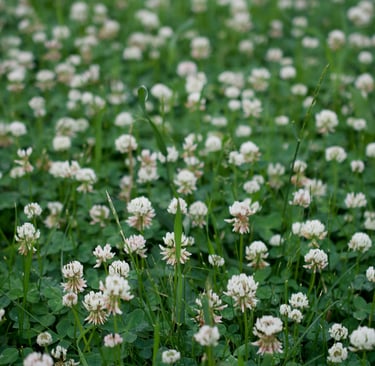
White clover is one of the easiest cover crops for small raised bed gardens, building healthier soil naturally before the next planting season.